
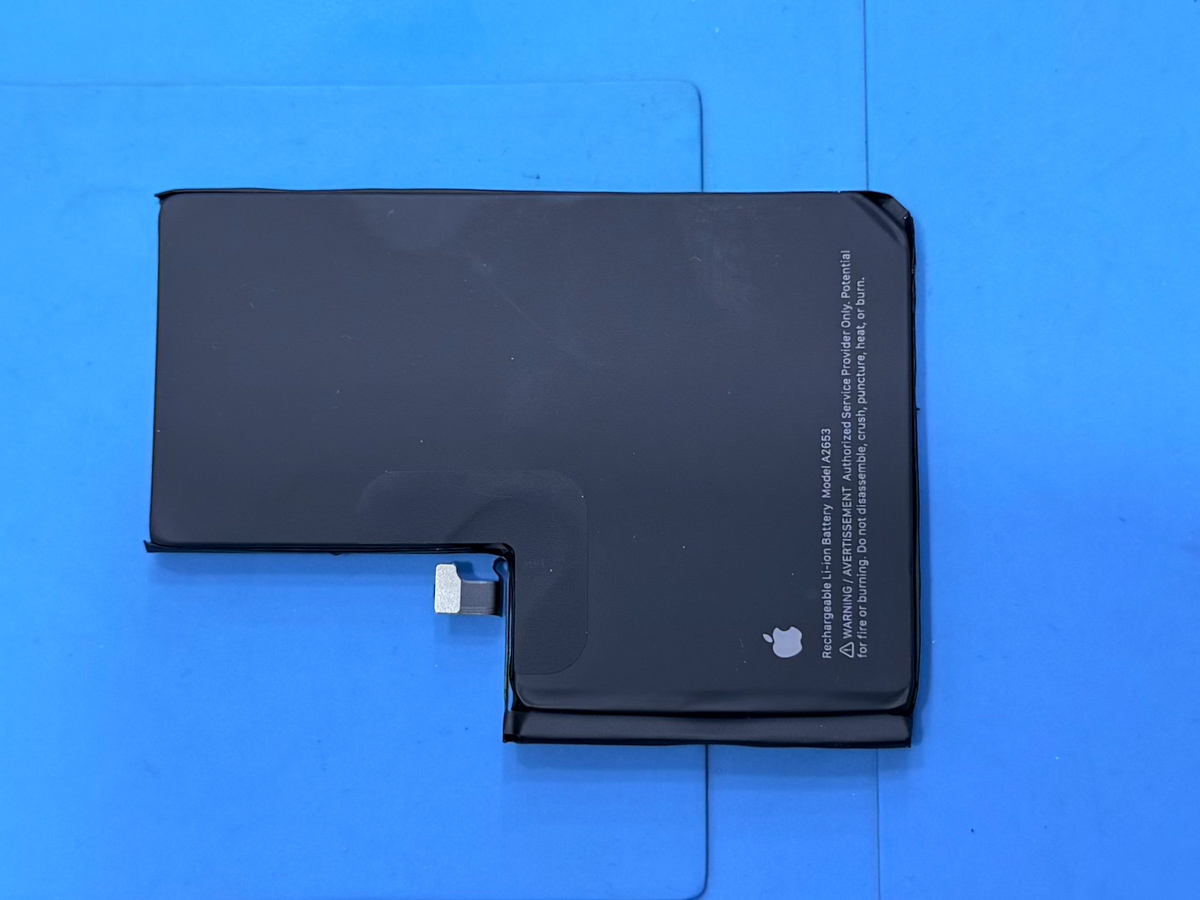
iPhone Battery Swelling Inspection: When Early Assessment Becomes Necessary
iPhone battery swelling inspection is a technical assessment process used to evaluate devices showing signs of internal battery expansion caused by aging, heat exposure, or charging stress.
Battery swelling does not always cause immediate failure. In many cases, devices continue operating while internal pressure gradually increases, creating long-term risks for surrounding components. Early inspection helps identify these risks before structural or functional damage becomes more severe.

Product Overview
iPhone battery swelling inspection is a technical assessment process used to evaluate devices showing signs of internal battery expansion caused by aging, heat exposure, or charging stress.
Battery swelling does not always cause immediate failure. In many cases, devices continue operating while internal pressure gradually increases, creating long-term risks for surrounding components. Early inspection helps identify these risks before structural or functional damage becomes more severe.
Understanding iPhone Battery Swelling
Lithium-ion batteries naturally degrade over time. As internal chemical reactions become unstable, gas buildup may occur inside the battery cell, causing physical expansion.
This expansion places continuous pressure on nearby components, including the display, connectors, and internal frame. Without inspection, this pressure may lead to secondary damage that is more complex to address later.
Common Signs That Battery Swelling May Be Present
Battery swelling may be suspected when one or more of the following symptoms appear:
- Screen lifting slightly from the frame
- Back cover deformation or uneven surface
- Device overheating during normal use or charging
- Reduced battery stability or sudden shutdowns
- Increased internal pressure felt during handling
These symptoms often develop gradually and may not immediately disrupt daily usage.
Why Early Inspection Is Important
Battery swelling affects more than battery performance. Internal pressure can alter structural alignment, strain connectors, and increase the risk of display or charging issues.
Early inspection focuses on identifying internal expansion, pressure distribution, and related risks before they escalate into multi-component failure.
Inspection Process Transparency
The inspection process follows a controlled technical workflow:
- Visual and structural assessment of the device
- Evaluation of battery expansion indicators
- Explanation of findings and potential risks
- Confirmation of inspection outcome before any further action
Customers are allowed to observe the inspection process directly. No procedures are performed without prior explanation and confirmation.
Long-Term Risk Without Inspection
Ignoring battery swelling may result in:
- Increased stress on the display assembly
- Connector misalignment or instability
- Reduced device lifespan
- Higher risk of sudden functional failure
Early assessment helps reduce these risks by providing clarity on the internal condition of the device.
Related Issue-Based Reference
This article is part of our inspection-focused content series addressing early-stage hardware risks before major failures occur.
👉 iPhone battery replacement
